Esports tournaments are where gaming dreams come to life, transforming casual players into legends overnight. Imagine a world where skill meets spectacle, and the only thing standing between a gamer and glory is a well-timed headshot or a perfectly executed combo. From the roar of the crowd to the adrenaline-pumping moments on screen, these events are not just competitions; they’re epic showdowns that keep fans on the edge of their seats.
Overview of Esports Tournaments
Esports tournaments represent a significant sector of the gaming industry, showcasing both amateur and professional talent. These events feature a variety of games, including popular titles like “League of Legends,” “Counter-Strike: Global Offensive,” and “Dota 2.” Participants compete for substantial prize pools, with some tournaments offering millions of dollars, which increases competitive stakes.
Exciting formats draw players and audiences alike, from single-elimination brackets to round-robin play. Spectators often experience immersive, live-streamed events with expert commentary, heightening engagement. Venue atmospheres can include massive arenas filled with fans, each cheering for their favorite teams.
Fast-paced action unfolds in finals, where crucial moments capture the excitement, often leading to memorable celebrations. Organizations and developers typically organize these tournaments, establishing rules and regulations to maintain fair play. Notable events, such as The International and the League of Legends World Championship, attract global audiences and top-tier competitors.
Audience involvement extends beyond just watching. Fans frequently engage through social media platforms, creating a vibrant community around the esports scene. Sponsors recognize this engagement, investing in the industry to enhance event experiences and showcase products.
Various partnerships with brands also help drive event production and accessibility. With esports tournaments continuously evolving, innovation in gameplay and event organization remains at the forefront. Competitive gaming culture expands, creating pathways for new talent while solidifying the importance of tournaments in the global gaming landscape.
Types of Esports Tournaments
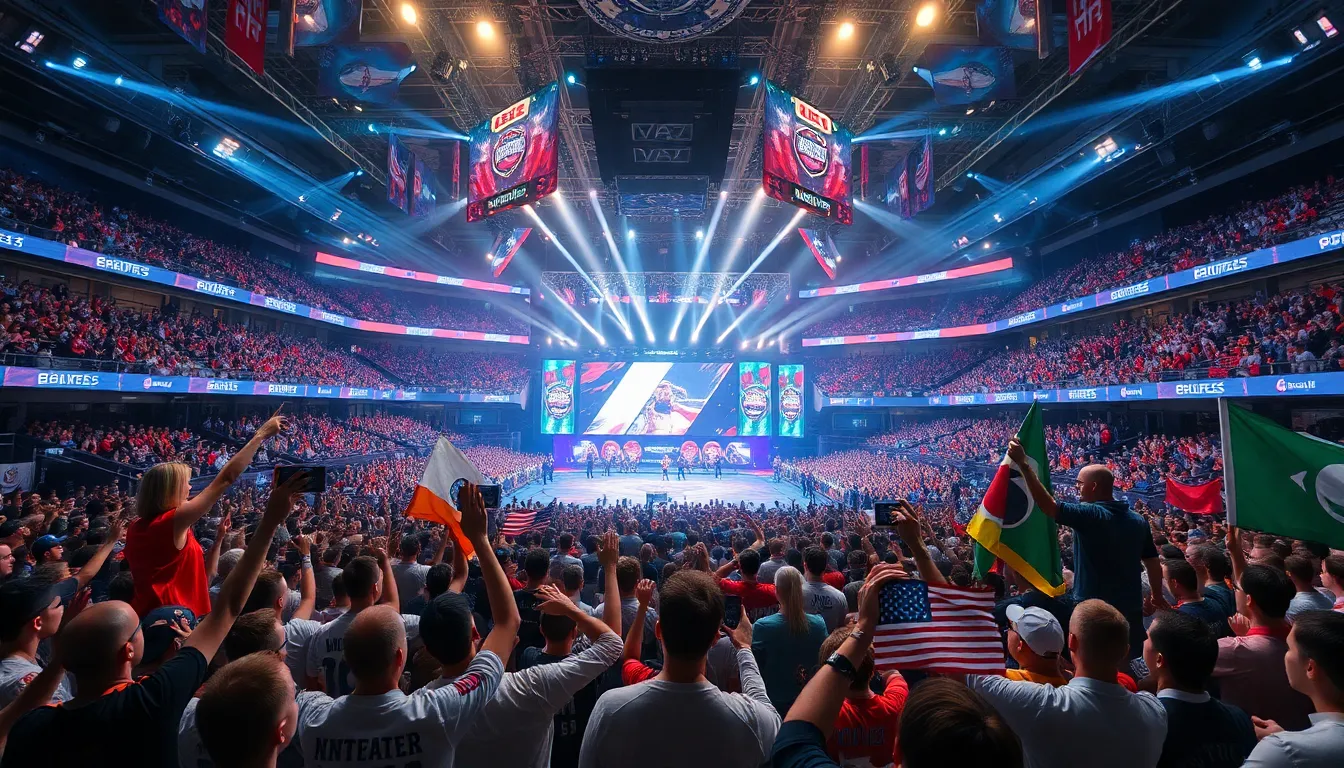
Esports tournaments come in various formats, showcasing talent and excitement across different levels of competition.
Major International Events
Major international esports events draw top teams from around the globe. Events like The International for “Dota 2” and the League of Legends World Championship offer massive prize pools, sometimes exceeding 10 million dollars. High-profile competitions attract substantial audiences, both live and online, providing a spectacle for fans. These tournaments often include multiple stages and are broadcast with expert commentary, enhancing viewer engagement. The diversity of talent participating in these major events pushes the competitive landscape to new heights.
Regional Championships
Regional championships focus on local talent and often serve as qualifiers for international competitions. These tournaments allow players to showcase their skills within their home regions, creating a sense of community. They often feature a smaller scale than major events but still offer impressive prize money and recognition. Participation in these championships can lead to opportunities for advancement into larger tournaments. Regional championships also foster rivalries, building excitement among local fans. The local atmosphere contributes significantly to player experience and audience engagement.
Popular Games in Esports Tournaments
Esports tournaments prominently feature a variety of popular games that capture the attention of global audiences. Titles in this arena attract both players and viewers.
MOBA Games
Multiplayer Online Battle Arena (MOBA) games lead the esports scene with their competitive nature. “League of Legends” reigns as one of the most-played titles, showcasing strategic depth and team coordination. Each match involves intense gameplay, where teams of five battle to destroy the opponent’s base. “Dota 2” also commands a massive following, known for its intricate mechanics and challenging gameplay. Notable tournaments like The International offer prize pools exceeding $40 million, elevating competition levels. Teams invest significant time in practice, honing their skills and strategies.
Battle Royale Games
Battle Royale games thrive on dynamic gameplay and unpredictability. Titles such as “Fortnite” and “PUBG” captivate players with large maps and last-man-standing mechanics. Competitive tournaments for these games demonstrate intense individual skills alongside team collaboration. For instance, the Fortnite World Cup hosted a prize pool of $30 million, attracting top players worldwide. Players strategize to survive against numerous opponents, making each match electric. Community enthusiasm and streaming popularity amplify the excitement surrounding these tournaments.
The Impact of Esports Tournaments
Esports tournaments significantly influence various aspects of the gaming landscape. They generate excitement and opportunities both economically and socially.
Economic Benefits
Economic growth accompanies the rise of esports tournaments. Job creation emerges from event organization, marketing, and broadcasting. Cities hosting major tournaments, like The International, experience increased tourism revenue, with attendees boosting local businesses. Sponsorships and partnerships contribute millions to the industry, expanding its market reach. Prize pools, often exceeding $40 million, attract players and fans alike, stimulating engagement and investment. In essence, these events strengthen economies by enhancing revenue streams and creating new opportunities.
Community Engagement
Esports tournaments foster vibrant community engagement. Players and fans unite through shared interests, forming connections beyond gameplay. They actively participate on social media platforms, sharing experiences and supporting their favorite teams. Regional championships encourage local rivalries and bolster grassroots talent, creating a sense of belonging. Online forums and watch parties enhance interaction, allowing fans to celebrate victories together. All these elements cultivate a passionate community that thrives on esports, solidifying its place in modern culture.
Conclusion
Esports tournaments have become a cornerstone of the gaming industry. They not only elevate players to new heights but also captivate audiences around the world. The blend of competition and community fosters a unique atmosphere that draws fans in and keeps them engaged.
With substantial prize pools and diverse formats, these events continue to attract top talent and sponsors alike. As the industry grows, the impact on local economies and global culture becomes increasingly evident. Esports tournaments are more than just games; they’re a celebration of skill, teamwork, and the passion that unites gamers everywhere.